Contents
To clear a salvage title in Georgia, you must fully repair the vehicle, document all parts and labor, pass a state inspection, and apply for a rebuilt title through the Georgia Department of Revenue. You cannot remove the salvage record, only convert it to rebuilt status. The process is strict, and failure usually occurs due to missing documentation or safety issues.
Key Takeaways
- Move forward only if the restoration cost is clearly below the ACV or market value.
- Follow the order exactly: repair, document, review, then apply.
- Most failed inspections happen because of hidden structural issues or missing receipts.
- The state review is the hardest step because safety and parts history are checked together.
- Expect delays in processing if the first visit fails or the paperwork is incomplete.
- A rebuilt unit still sells for less and may have fewer insurance options.
- SCA lists repairable and rebuilt inventory by state, including Georgia.
What Is a Salvage Title vs Rebuilt Title in Georgia?
In Georgia, one designation means the vehicle is still a repair project and cannot return to normal road use yet. The other indicates that the vehicle has been restored and accepted through the rebuilt process. That difference is important when shopping for salvage vehicles, because the lower price can hide more work and weaker resale. A salvage title indicates the vehicle still requires legal review. Georgia also sends out-of-state flood, water, fire, and write-off brands through the same path.
Use this quick comparison to separate the two:
| Point | Salvage | Rebuilt |
| Road use | No public road use | Allowed after approval |
| Condition | Still a project | Restored and accepted |
| Main trigger | Paid loss or major parts issues | Passed the Georgia review |
| Buyer focus | Cost, hidden issues, and records | Restoration quality, value, and insurance |
| Future history | Brand stays | Brand still stays |
What Qualifies a Car as a Total Loss in GA?
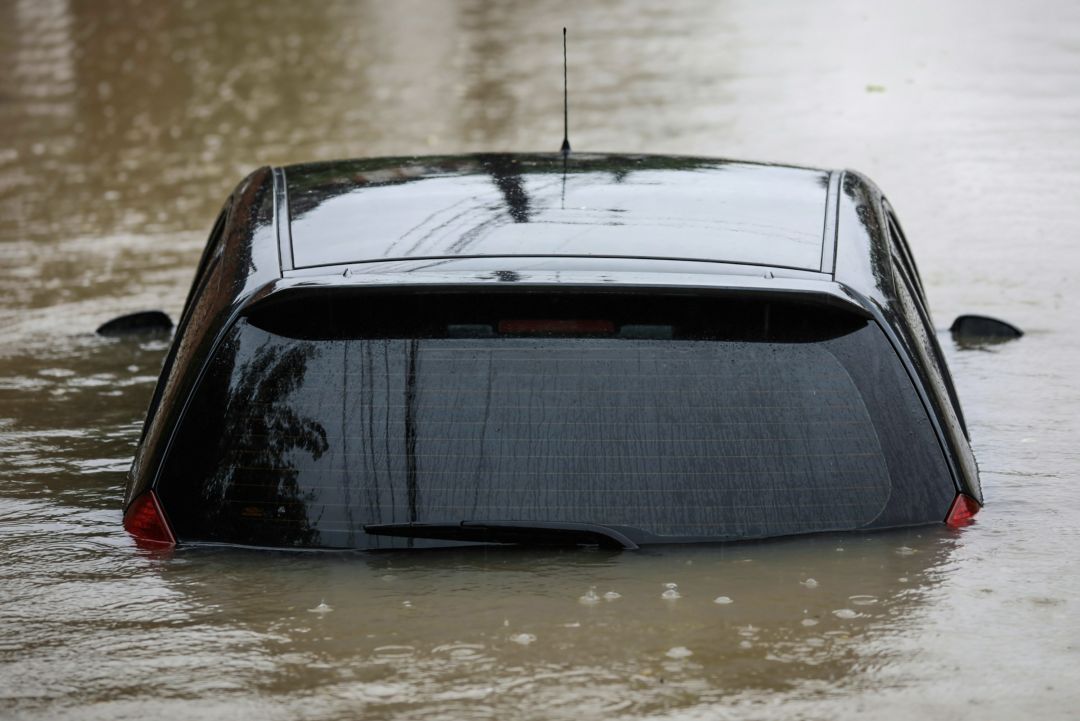
The state does not give buyers one easy percentage. A vehicle can be declared a total loss when an insurer settles a claim before restoration work is completed, or when the damage means two or more major component parts must be replaced. Many carriers consider that a car should be deemed a total loss after significant damage.
This decision is not based on a single formula. Instead, insurers follow Georgia regulations that define how total loss claims must be evaluated and paid. According to Georgia Rule 120-2-52 (Total Loss Vehicle Claims), insurance companies must determine value based on comparable vehicles or actual cash value (ACV), not just repair estimates.
The most common triggers are easy to identify once you know what the state looks for:
- Replacement of two or more major component parts.
- A paid total loss claim by an insurer.
- Severe flood, theft recovery, fire, or collision history.
- An out-of-state brand for flood, water, fire, or similar loss.
- Damage serious enough to make safe operation unrealistic without major work, if the vehicle even looks repairable at first glance.
Can You Clear a Salvage Title in Georgia?
Yes, you can clear a salvage title, but the state does not wipe away history. It changes the record to rebuilt after restoration, review, and approval.
That is why a GA salvage title can still be a buying opportunity. A licensed rebuilder can rebuild the vehicle, or an owner may restore the vehicle after a wreck. On SCA, shoppers can compare repairable and rebuilt inventory in Georgia and even research salvage title vehicles before they decide to keep the vehicle or restore it.
Is It Worth Repairing a Salvage Car?
Sometimes, yes. Start with one hard checkpoint: will the full budget stay far below post-rebuild value after labor, transport, tax, and at least one review fee? If the spread is thin, the upside disappears fast, and the real risk increases. If the buy price is low and the restoration path is clean, the deal may still be financially viable.
The basic math looks like this:
| Scenario | Total Repair Costs | Additional Costs | Expected Resale Value | Possible Risks | Profit/Loss |
| Best case | Low | Transport, forms, review fee | Solid discount to the clean market | Minor hidden issues | Small gain |
| Average | Medium | Recheck, alignment, storage | Modest resale | Parts delays, buyer hesitation | Break-even |
| Worst case | High | Repeat review, structural work, admin | Heavy discount | Hidden frame issues, weak records | Clear loss |
Georgia charges $100 for each initial review and recheck, and the standard local title fee is $18.
Step-by-Step Process to Clear a Salvage Title in Georgia

If you want a clear answer on how to convert a salvage title to a rebuilt title in GA, the state follows one procedure: repair, documents, review, and then filing. Both the vehicle’s condition and the documentation must align, which is why preparation before inspection is just as important as the repair work itself.
Step 1 — Repair the Vehicle to Roadworthy Standards
The vehicle must be restored until it is considered safe to drive. Georgia requires the vehicle to be towed in most cases, so fix the structure and safety systems before cosmetics. At this stage, the damage should be fully repaired before moving forward.
Step 2 — Prepare Documentation
This is where many owners lose time. The file must show where the vehicle came from, what parts were used, and who purchased them. It should also show photographs of the vehicle and a clear paper trail through the finished restoration. This is also the right time to check salvage car insurance, because getting insurance later may mean a basic insurance policy under limited coverage options in the auto market.
Before the appointment, collect the following:
- Current branded ownership record or properly assigned paper.
- Form T-22R request for review.
- Form MV-1 application.
- Form T-129 labor and parts certification.
- Pre-repair photos.
- Bills of sale for major parts.
- One receipt for each major replacement item.
- Donor VIN details for used parts.
- Purchaser details and rebuilder information when required.
Step 3 — Pass the Georgia Inspection
This is the key hurdle. Whether the review is done by a state inspector or an approved private station, the file and the restoration have to match. One inspection failure can delay the process. Inspectors will check safety systems such as airbags, brakes, lights, and structural integrity, along with VIN verification and parts documentation.
Step 4 — Apply for a Rebuilt Title
After the vehicle has passed inspection, the next step is to file with the Georgia Department of Revenue. It’s not a separate Department of Motor Vehicles counter, and the packet must be submitted as a complete application file. Follow the rebuilt title requirements exactly, because the state wants documentation confirming that the vehicle has been restored and the parts history is traceable. If you plan to sell the vehicle later, accurate documentation will make a big difference.
At that point, you need to submit:
- MV-1 application.
- Original branded ownership record.
- T-129 labor and parts certification.
- T-22R when your path requires it.
- Any rebuilder license copy that applies.
- Payment for the inspection fee and filing costs.
- Donor VIN information and purchaser details.
What Do Inspectors Usually Check?
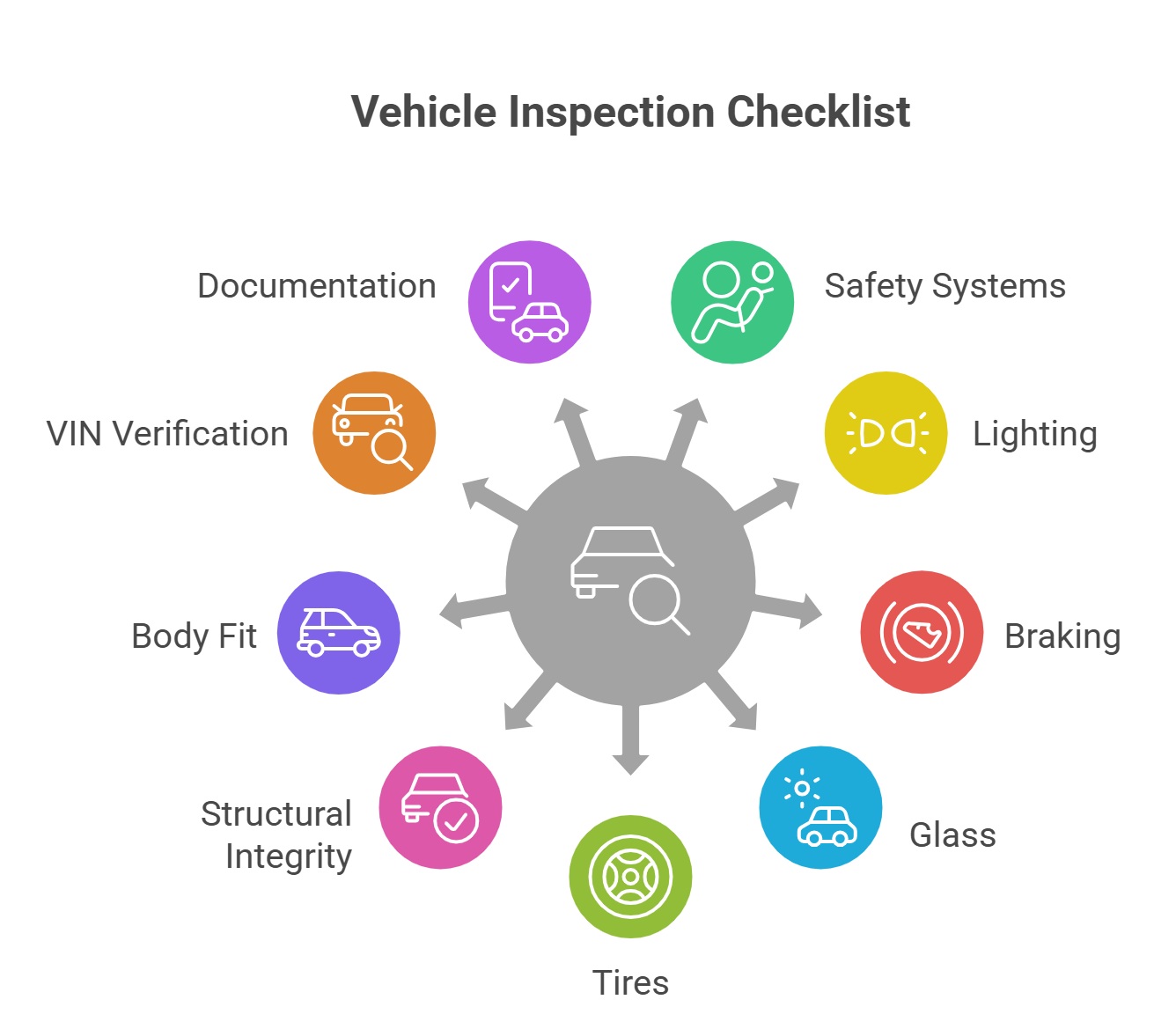
Georgia does not publish one checklist for every station. The vehicle is inspected for safety, identity, and document accuracy. A car project can still fail inspection when the numbers, tags, or restoration story do not line up. Smart buyers inspect the work and use a VIN decoder before they pay.
The checklist usually includes these points:
- Airbags and warning lights.
- Seat belts, anchors, and pretensioners.
- Headlamps, brake lights, and turn signals.
- Brake condition and system response.
- Windshield and other glass.
- Tire condition and matching size.
- Frame scratches or poor structural pulls.
- Body fit, latch operation, and sharp edges.
- VIN and donor-part verification.
- Documentation consistency across forms, dates, and parts records.
Most Common Reasons for Title Rejection
Most bad outcomes are preventable. Rejection usually happens when the work does not match the records, or the structure still shows obvious problems.
Still wondering how to get a salvage title in GA? Pay attention to the following issues:
| Issue | Category | Severity | Likelihood | How to Avoid |
| Missing part invoices | Documentation | High | Very common | Save every part record from day one |
| No clear pre-repair photos | Documentation | High | Common | Take dated photos before work starts |
| Hidden frame issues | Structural | High | Common | Restore the structure before painting |
| Airbag or belt faults | Repair | High | Common | Scan the restraint systems fully |
| VIN mismatch on donor parts | Documentation | High | Medium | Verify donor numbers before installation |
| Poor brake, tire, or lamp condition | Repair | Medium | Medium | Do a full safety review before booking |
| Incomplete forms or signatures | Documentation | Medium | Medium | Review every line before filing |
| Painted too soon | Repair | Medium | Medium | Finish approval steps before final cosmetic work |
Timeline: How Long Does It Take to Clear a Salvage Title?
There is no fixed timeline in Georgia because restoration time, parts supply, station scheduling, and mailing all change. Buyers of salvage title cars should expect the restoration phase to take the longest.
The review and filing stage can still stretch out if the documentation is incomplete. A failed visit, a missing donor VIN, or a correction request can add weeks quickly, so it helps to learn more about getting everything right before booking.
What Happens After You Get a Rebuilt Title?
After approval, the owner may apply for registration and plates, but the rebuilt history stays attached to the record. Every motor vehicle in Georgia must have a title to be legally transferred or registered.
Resale Value Impact
A rebuilt vehicle almost always sells below a comparable clean-history example. Buyers discount prior issues and later restoration questions. Some insurance companies also limit what they will write. The best resale results come from low buy-in and a complete file.
When value is the goal, these points deserve the most attention:
- Flood history usually hurts more than a normal crash restoration.
- Weak paperwork scares away serious buyers.
- Clean photos help explain the restoration path.
- Some carriers only offer liability coverage, not comprehensive.
- Trade-in offers are usually lower than private-sale prices.
The Georgia Department of Revenue says the rebuilt brand remains on the record permanently after approval.
Legal Use and Registration
A restoration project cannot legally use public roads in Georgia before approval, and no salvage vehicle in Georgia can skip that. Once the file is accepted, the owner can register it, get a license plate, and drive the vehicle within normal rules. For shoppers considering a purchase, SCA can help here, too. You can compare salvage cars in Georgia and decide to keep the vehicle or buy one further along before you fully commit.
FAQ
Does Georgia Brand Flood Vehicles Differently?
Yes. Georgia accepts out-of-state flood or water branding in the rebuilt process. However, it still stays a branded history rather than becoming clean, which is why flood history remains a serious buyer warning.
Can a Salvage Title Come from Another State and Be Rebuilt in GA?
Yes. Georgia accepts an out-of-state salvage, flood, water, fire, or similar brand. At the same time, the vehicle still has to pass the local review before a rebuilt Georgia record is issued.
Where Can You Safely Test a Salvage Vehicle Before Inspection?
Use private property, a repair yard, or a controlled shop area. Do not use public roads before approval unless a specific legal exception applies under Georgia rules.
Can You Drive a Salvage Title Car in Georgia?
No. It cannot be used on public roads until it has been repaired, approved, and moved into rebuilt status.
Is Frame Damage an Automatic Disqualification for a Rebuilt Title in GA?
No. However, major structural problems are critical red flags. If the restoration is unsafe, poorly documented, or still obvious, approval is unlikely.