Contents
Copart is typically better for buyers who want a wider selection of vehicles, faster title turnaround, and greater access to port-friendly yards. IAAI, on the other hand, is preferred by those who value predictable auction formats, clearer title classifications, and a streamlined post-sale experience.
This guide offers a side-by-side comparison of Copart and IAAI across key areas, including fees, inventory types, buyer access, paperwork, and export logistics. You can make an informed decision based on your goals, experience level, and risk tolerance.
Copart vs IAAI: Company Profiles and Market Reach
Both are leaders in insurance auto auctions. However, their reach and yard mix differ in ways that matter to a buyer. Copart focuses on scale and speed across a wide network, while IAAI leans into curated consignors and streamlined services. For an auction sites comparison, yard locations, title speed, and shipping support shape your total cost. Copart’s global presence helps you navigate ports and trucking. IAAI has dense coverage near insurance companies and large metros. As one of Copart’s competitors, it also serves niche regional lanes.
| Company | Founded | Yards/Countries | Typical Consignors | Notable Strength | Mobile/App |
| Copart | 1982 | 250+ / 10+ | Insurance companies, dealers, fleets | Scale, fast titles, and online auction reach | Mature, alerts & watchlists |
| IAAI | 1982 | 200+ / 5+ | Insurance companies, rental fleets | Curated loss types, clear titles | Clean UI, invoice tracking |
In storm seasons, insurance companies can account for over 65% of weekly consignments in coastal states, pushing late-model totals higher.
Who Can Buy and How: Access, Licenses, and Brokers
Both sites sell to the public in many states, but some locations require licenses. If you’re without a dealer license, a broker can bid on your behalf and handle compliance. IAAI allows public participation on many lots with ID verification. Copart offers membership tiers and a broker directory that makes the ramp-up smoother for new buyers. International buyers often coordinate with an exporter to bundle trucking, titles, and port booking. The right path depends on your type of vehicle and yard proximity.
| Topic | Copart | IAAI |
| Public Access | Varies by state; participate in Copart directly or via a broker | Varies by state; public lots plus broker options |
| Broker | Approved broker network | Broker partners; proxy bidding available |
| Membership | Basic/Premier tiers with bid limits | Free registration; higher limits after verification |
| Logistics | Port-friendly yards; partner support | Options via partners; IAAI may use local agents |
| Documents | Digital IDs; quick invoice access | Digital IDs; invoice and title status tracking |
Auction Mechanics and Platform Experience
Both platforms run timed sales and live sessions. The auction experience hinges on pace, increments, and visibility of fees before you bid. Copart uses a pre-bid window and a rapid live phase; learn the cadence before placing a bid. Timed Sales on IAAI are predictable, and IAAI Live introduces pauses that help a buyer adjust ceilings. For the optimal results at the best salvage auctions, set a hard cap and stick to it. Platforms like Copart and IAAI typically include multiple alerts, saved searches, and watchlists that simplify the process.
Copart:
- Pre-bid phase with automatic increments and ceiling controls; Copart auctions move quickly.
- Live “Virtual Bidding” lanes are fast; know your costs beforehand.
- Watchlists and alerts help you navigate lots smoothly.
- App tools make last-minute research feel like second nature.
IAAI:
- Timed Auctions with clear countdowns and max-bid logic.
- IAAI Live uses a bid-caller rhythm many buyers find manageable.
- Dashboard ties invoices, titles, and pickups in one place.
- Filters for loss type, title class, and vehicle condition are straightforward.
Inventory Quality and Vehicle Categories Compared
Copart leans late-model total losses, rebuildables, and parts-only units at scale, while IAAI shows a mix that can concentrate by region. Both include motorcycles, boats, RVs, and heavy equipment in dedicated lanes. If you’re looking to flip vehicles, compare Copart run lists with similar car filters and watch seller notes closely.
In several metro auctions, average hammer prices on rebuildable compacts trend 6–9% under retail-adjusted values, depending on mileage and title class.
Comprehensive Fees Breakdown
Your total fees decide your margin more than the hammer price. Both platforms charge buyer fees on a tiered schedule, plus Internet and gate charges. Storage fees begin after a short grace window, so towing matters. Calculate the full cost upfront, not after you’ve won, to avoid surprises. When you buy vehicles, include transport, taxes, and any paperwork in your total cost. Doing the math beforehand will help you make apples-to-apples comparisons.
| Fee Type | Copart | IAAI |
| Buyer Fees | Tiered by sale price; add-ons by bracket | Tiered structure differs by bracket |
| Internet/Proxy | Charged for online auction participation | Charged for Timed or Live sales |
| Gate/Yard | Per-vehicle handling and gate pass | Similar handling fee per vehicle |
| Storage Fees | Start after free days; daily thereafter | Start after free days; daily thereafter |
| Documentation | Title processing and paperwork | Title processing and paperwork |
Condition Reporting and Vehicle Inspection
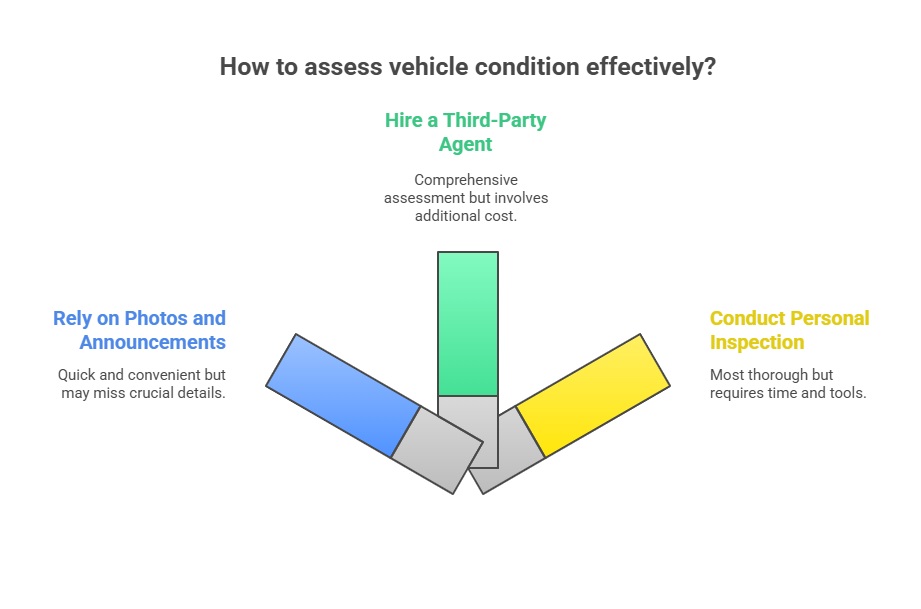
Photos, announcements, and condition codes guide your risk. Still, a comprehensive review – or hiring a single third-party agent – beats guessing. Copart offers detailed images, but your eyes on a vehicle in person catch leaks, tire dates, and welds that photos miss.
IAAI’s listing structure makes options and title classes clear, yet an independent visit provides peace of mind. Bring a flashlight, OBD-II reader, and note the vehicle identification number to cross-check options and recalls for transparency and a stronger vehicle history report.
Paperwork, Titles, and Transfer Delays
Titles govern what you can register, rebuild, or ship abroad. Copart and IAAI both display suspicious titles, non-repairable, and clean classes; read the listing announcement. Transfer speed varies by state and season, so build slack into your plan. For export, match the title to destination rules and confirm notarization needs. Keep every receipt and proof of purchase for customs and carriers. This is where choosing the right yard can save days.
| Topic | Copart | IAAI |
| Title Types | Salvage, Non-Repairable, Clean, and more | Salvage, Certificate of Destruction, Clean |
| Transfer Time | Generally quick; state delays possible | Comparable timelines; yard-by-yard variance |
| Logistics Docs | Bill of sale, title, export release | Bill of sale, title, export release |
| Liens/Issues | Announced; check VIN and liens early | Announced; verify early |
| Communication | Digital tracking for status | Portal tracking for status |
Payment, Pickup, and Post-Sale Logistics

Once you’ve placed your bid and won, the clock starts. Payment is due fast; late charges can erase your margin. Arrange towing before the sale, especially for non-runners. If you plan to ship overseas, coordinate with the seller before bidding and confirm title release steps. Keep all emails and yard messages throughout the process. Good planning makes pickup smooth and keeps the total cost on target.
| Step | Copart | IAAI |
| Payment | Wire/cashier’s check; card limits | Wire/cashier’s check; card limits |
| Pickup | Free days, then fees start | Free days, then fees start |
| Transport | Yard referrals or your carrier | Yard referrals or your carrier |
| Export | Port-forwarding and exporter options | Works with forwarders; local agents available |
| Support | FAQs, tickets, yard help | FAQs, portal, yard/title team |
According to SCA, buyers who pre-book carriers report a median pickup time one business day faster than those arranging after the sale, reducing fee exposure materially.
Legal Considerations and Title Regulations
State rules shape who can buy, how you can register, and cross-border timing. Read yard terms, arbitrations, and the auction process disclosures before bidding. Clean, salvage titles, and non-repairable designations carry different obligations. Auctions like Copart and IAAI expect sellers and buyers to understand compliance before money changes hands. When in doubt, call your DMV and your destination country’s customs.
Copart:
- Many lots are sold “as-is”; always perform a VIN check.
- Some regions restrict public access; auctions without proper ID won’t release units.
- Overseas shipping needs endorsed titles and IDs; work with a reputable exporter.
- Buyer protection is limited to announced discrepancies – verify announcements carefully.
IAAI:
- IAAI auctions follow state-specific rules; check the yard page.
- IAAI can be challenging for new buyers in restricted states.
- Title classes govern repairs, branding, and export eligibility.
- Use verified IDs and clear releases to help you avoid pickup delays.
Real Buyer Experiences
Most praise inventory depth and online tools, yet warn that fees and timing can sting. A spreadsheet before the bid tends to deliver real value. The opinions and quotes below are gathered from public user reviews across multiple platforms and do not represent the views or recommendations of our team.
Copart Reviews
Shoppers like the pace and the app’s watchlists. Many buyers note a strong selection, but warn that the Internet and fees add up. The site’s cadence rewards preparation over impulse clicks. Real value comes from budgeting transport and taxes early. The platform can feel fast, but patterns emerge after a few sessions in an online auction.
Pros:
- Many customers say payouts are fast and straightforward, with fair offers and money often arriving within hours.
- Vehicle collection is handled efficiently once booked, even from awkward locations, taking stress off the owner.
- Staff at local yards are often described as polite, helpful and willing to go the extra mile for visitors.
- Several buyers report that vehicles matched the descriptions, were ready quickly and still had fuel and documents in place.
- Reviews mention honest behaviour, including returning valuable personal items left in vehicles without being asked.
Cons:
- Some business buyers find the payment rules rigid and say certain draft payments are refused.
- A few users report confusing or delayed scheduling for picking up purchased vehicles, leading to extra storage fees.
- Several reviewers describe remote customer service as unhelpful or curt and difficult to escalate issues with.
- Some sellers feel listings can be inaccurate, bids too low and fees high, with small accessories occasionally going missing.
- There are isolated complaints about brokers and title/category changes after purchase, with buyers feeling poorly supported in disputes.
IAAI Reviews
Users like the clear loss-type filters and the buyer dashboard. Updates feel transparent, though yard speed varies. Transport is easier when you book early and send your driver the release forms. For a quick Copart comparison, several noted coordination worked fine once documents were ready in the portal – IAAI’s timelines can vary by state rules.
Pros:
- Many buyers like the wide selection of vehicles and say the bidding process is smooth and transparent.
- The website is generally easy to navigate, making it simple to search, bid, and track vehicles when it’s working properly.
- Regular trade buyers report that vehicles usually arrive as described, and that condition reports are fairly thorough.
- Some customers mention secure handling of personal belongings; items left in cars were collected, bagged, and returned with nothing missing.
- In some states, public buyers can purchase directly without a broker, giving more flexibility and control over the process.
Cons:
- Some buyers say cars had serious hidden damage or mechanical issues, even when listed as “starts” or “runs and drives.”
- Several reviews claim photos and descriptions can miss or obscure damage, and that IAAI falls back on terms and conditions instead of helping.
- There are complaints about website outages and glitches, which can prevent users from checking vehicle details.
- A number of reviewers report rude or unhelpful staff at certain branches, including aggressive phone interactions.
- Buyers note that fees can be high and sometimes unclear; totals may be 20–30% above the winning bid.
Top Auction Buyer Mistakes and How to Avoid Them

Winning is the start; profit comes from discipline and math. Skipping title checks can strand you at the DMV. Not booking transport incurs fees. Relying only on photos won’t tell the full story, including previous accidents. Use a VIN decoder to verify trim and options before you bid. These steps help you make better decisions and avoid scams throughout the process, especially when planning to export a vehicle. According to U.S. Customs and Border Protection, buyers must ensure their title, ownership documents, and port paperwork are fully compliant before scheduling international transport. Failing to plan for these steps in advance can lead to costly delays or vehicle holds at the border.
| Mistake | Why It Hurts | Fix |
| Ignoring extra fees | Blows total fees and overall cost | Download fee tables; estimate full cost upfront |
| Bidding without inspection | Hides mechanics and title limits | Hire an inspector or bring a mechanic; see the vehicle in person |
| No transport booked | Yard fees stack quickly | Book a carrier before the sale; share releases |
| Weak VIN research | Miss options/recalls; export mismatch | Perform a VIN check using trusted tools; keep records |
| No export plan | Docs and timing collide | Engage an exporter early; confirm title class and port cutoffs |
Summary
Copart and IAAI are powerful options for online car auctions when you budget, inspect, and plan logistics. Choosing the right yard and lane shortens timelines and trims the costs. Brokers can simplify the process for international buyers. Treat the VIN as data, not a guess, and price in towing, taxes, and delays. With discipline and research, these platforms can be the alternative that fits your plan and provides peace of mind for a vehicle through Copart or IAAI.
FAQ
What’s the Risk of Buying an Auction Car Listed as “Undisclosed Damage”?
Undisclosed damage can be minor electronics or structural problems; price worst-case, not hope. Build a buffer, and be ready to part out if numbers fail.
– Scan the VIN and service records for patterns in the vehicle’s history.
– Budget airbags, modules, or emissions fixes.
– Check rails, fluids, and welds during inspection.
– Verify title class; some brands limit registration.
– Keep a vehicle history report for documentation.
Can You Get Financing for a Car at Copart or IAAI?
Traditional lenders rarely fund salvage vehicles; some niche lenders help rebuilders. Expect wires or cashier’s checks and plan liquidity to move quickly.
Do Motorcycles, Boats, and RVs Follow the Same Auction Rules?
Generally, yes, but title classes, HINs (hull identification numbers), and transport differ. Confirm weight rules, towing gear, and yard loading policies before you bid or book trucks.
Which Auction Platform Is Better for Exporting Cars?
Both work; pick yards near ports, verify title and paperwork, and hire an experienced agent. The brand matters less than timing and documents for a vehicle auction.
Can I Inspect a Car Before Bidding or After Winning?
Yes. Yards have viewing hours; bring ID and simple tools. After winning, inspection guides pickup planning, not renegotiation; arrive prepared with releases and an investment in a VIN report.