Contents
A salvage title reduces a car’s Actual Cash Value (ACV) by 20% to 40% compared to a clean-title equivalent once the vehicle has been rebuilt and inspected. An unrepaired salvage vehicle, one that has not passed a state rebuilt title inspection, typically trades at 40% to 60% below clean-title ACV. The brand is permanent: it attaches to the VIN at the moment of the total loss declaration.
What Does a Salvage Title Mean on a Car?
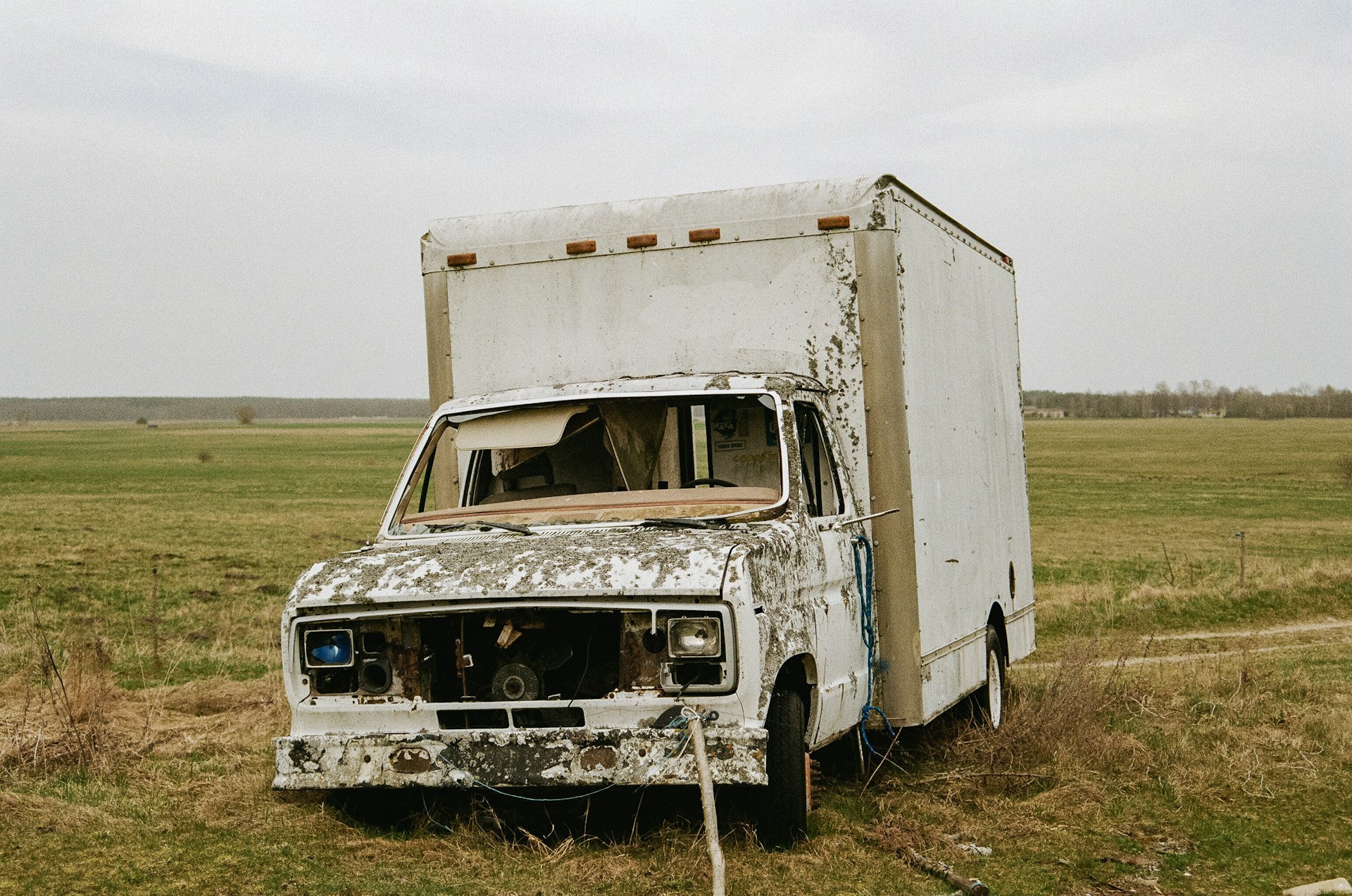
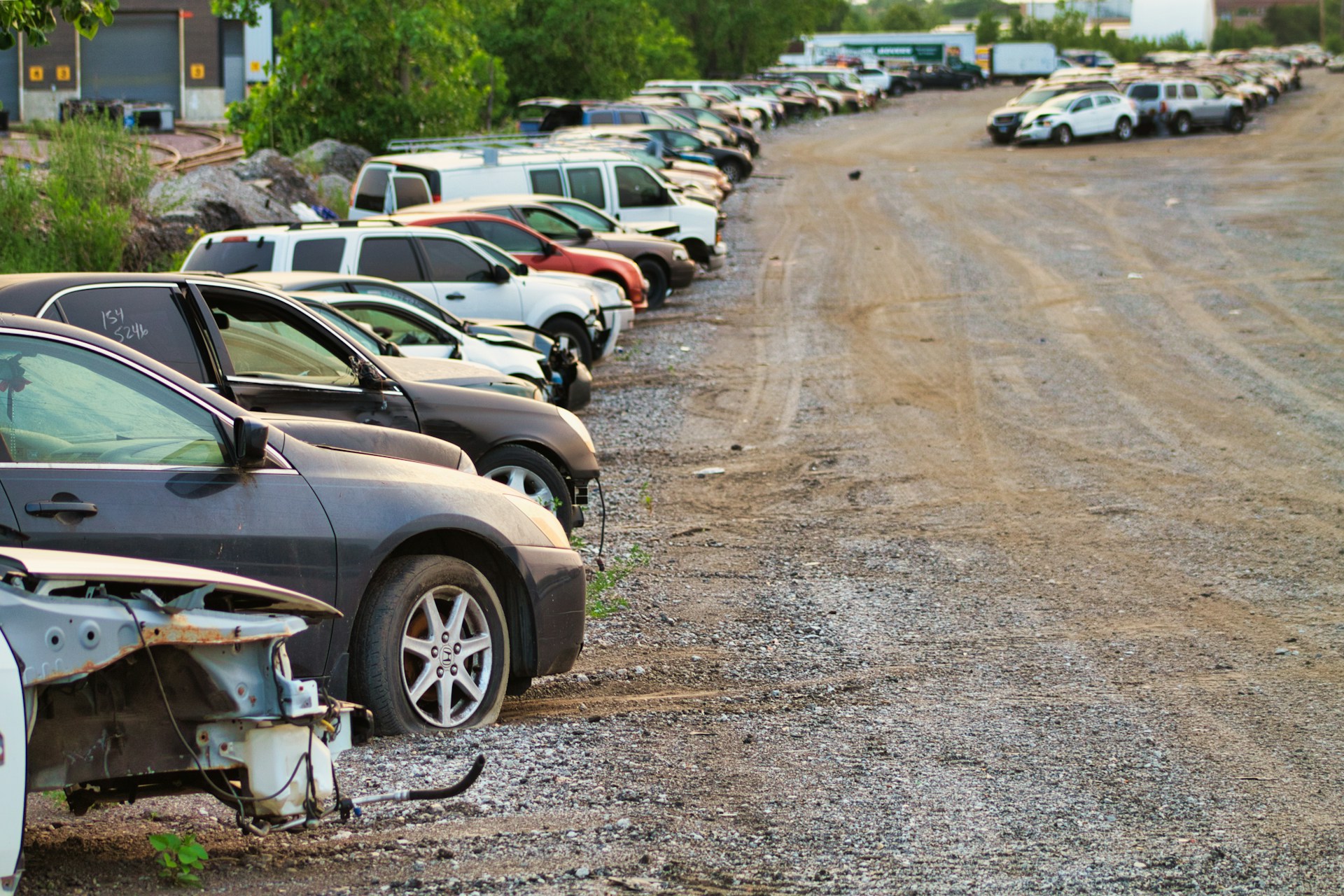
A salvage title means a vehicle was declared a total loss. It’s usually because repair costs exceed a legal or economic threshold. It does not always mean the vehicle is useless, but it does mean the risk is documented. State agencies control the brand, while insurance companies often start the process after a payout. Before buying, check the history and understand what caused the brand.
Here are the common reasons a vehicle may receive this brand:
- Collision loss after an accident
- Flood, fire, hail, or theft recovery
- Airbag deployment or structural repair
- Customer-retained loss after an insurer settlement
- State safety review failure after major loss
The Total Loss Formula Explained
The total loss formula is applied in the calculation. It compares repair cost plus expected salvage return against the pre-loss market value. If the insurer loses less by paying the claim than by fixing the vehicle, it may declare the vehicle a loss. The formula is: Total Loss Ratio = Repair Cost ÷ Pre-Loss ACV. When that ratio exceeds the state-set total loss threshold, the insurer is required to brand the title salvage.
Salvage Title vs. Rebuilt Title: The Critical Distinction
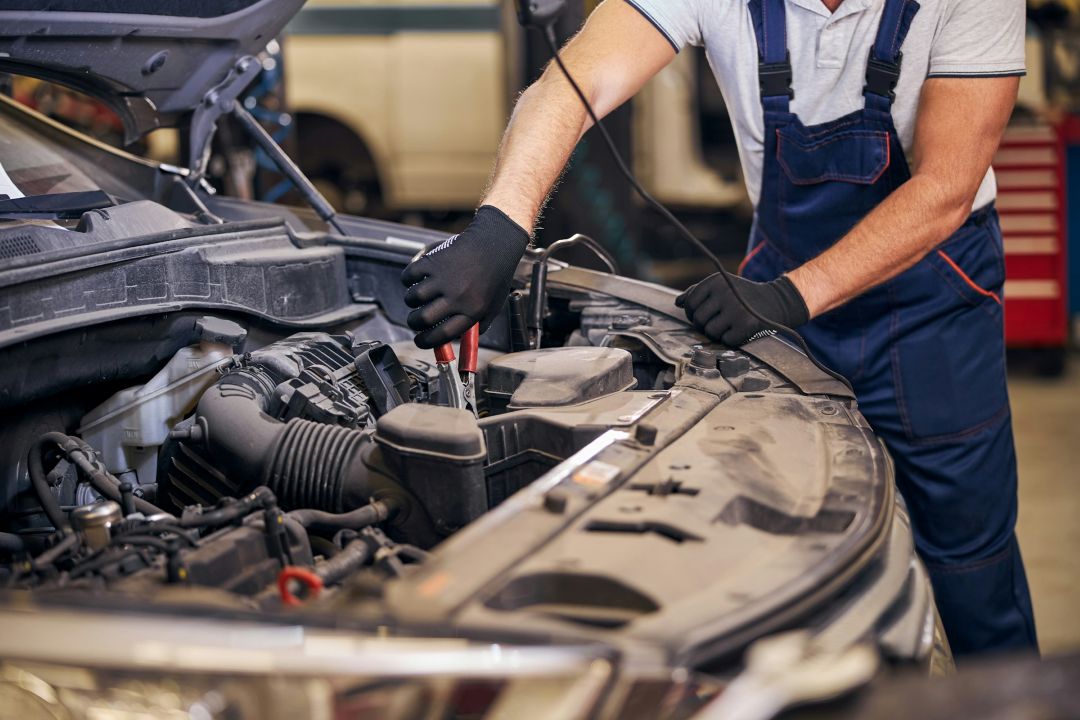
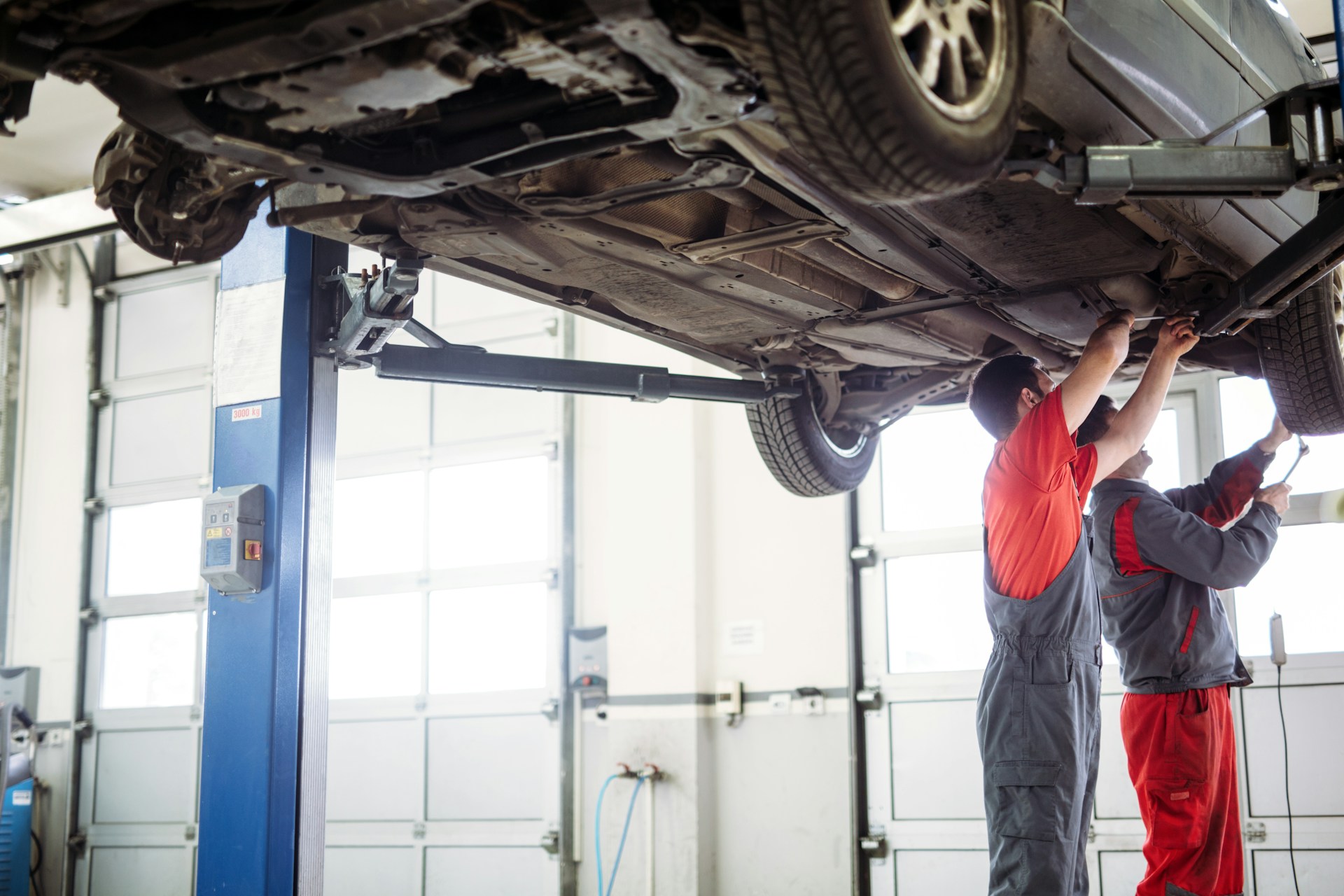
A salvage title car is usually not ready for public roads. A rebuilt brand means the salvage vehicle was repaired. After that, it passed a required state review. Texas DMV notes that a rebuilt vehicle must meet safety, anti-theft, and state standards before returning to road use. California DMV requires revived salvage paperwork and safety systems approval. Florida DMS requires a rebuilt process for a qualifying loss vehicle. The distinction affects legal use, insurance, financing, and buyer confidence.
| Stage | Road legality | Full coverage insurance availability | Standard financing eligibility | Resale ceiling vs. market | Title brand permanence |
| Salvage | Usually not road legal until repaired | Rare and limited | Usually not eligible | Often 20%–50% of clean | The brand remains in history |
| Rebuilt | Usually road legal after approval | Possible, but insurer-specific | Limited; credit unions may consider | Often 50%–80% of clean | The prior brand remains forever |
How Much Does a Salvage Title Typically Reduce Car Value?
A salvage title car often sells 20% to 50% below the clean market value. Buyers often ask: How much is a salvage title discount? The answer depends on the loss; an accident with a salvage car is not priced the same as a flood or fire loss. That range also splits into two distinct tiers: an unrepaired salvage vehicle — sold as-is — sits at the lower end, while a rebuilt title car that has passed a state inspection trades closer to the upper boundary.
The ACV Depreciation Comparison by Damage Category
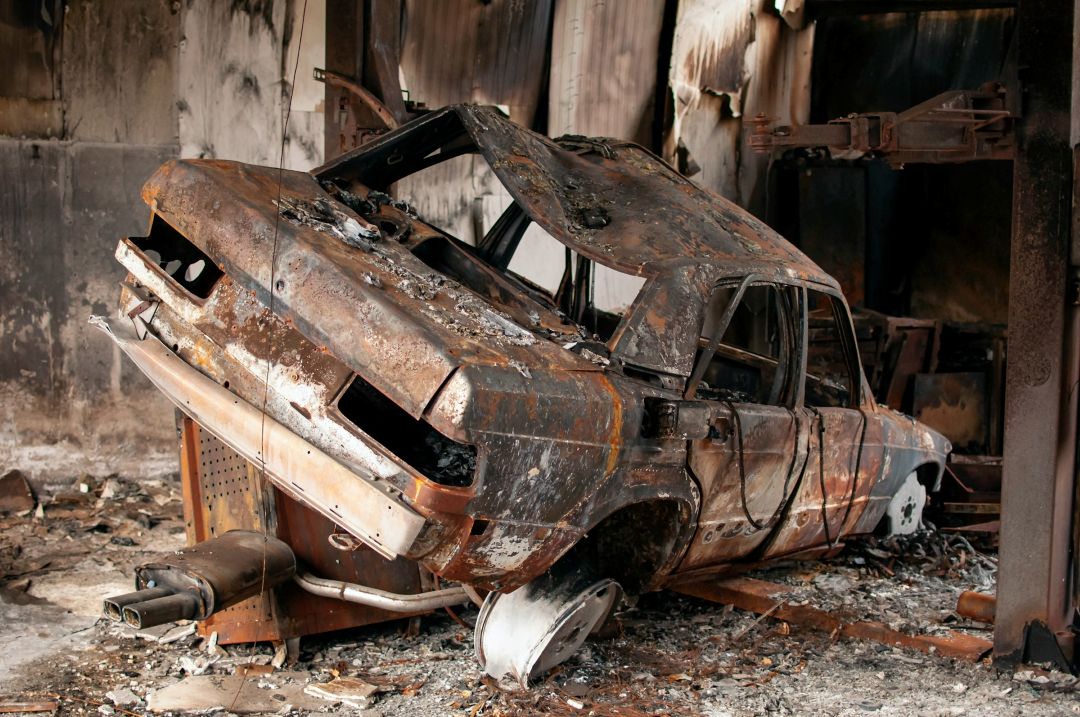
Actual cash value, or ACV, is the practical number used after a loss. It starts with a comparable clean vehicle, then subtracts risk. Flood-damaged and hail-damaged cars usually take the steepest hit. Hidden electrical problems can appear later. Hail is different because panels may look rough while the frame and drivetrain remain sound. Documentation, photos, receipts, and review results determine the salvage title depreciation value more than age alone. Use this table to estimate the percentage range:
| Damage Category | Unrepaired Salvage ACV (% of Clean) | Rebuilt ACV (% of Clean) | Primary Risk Factor | Recovery Potential |
| Hail | 45%–65% | 65%–80% | Cosmetic panels reduce price, but the hidden risk is lower | High |
| Collision | 25%–50% | 50%–75% | Frame, airbag, alignment, and safety concerns | Medium |
| Flood | 10%–35% | 35%–60% | Electrical corrosion and mold risk | Low |
| Fire | 10%–30% | 30%–55% | Heat exposure may affect wiring and structure | Low |
| Theft recovery | 35%–60% | 60%–80% | Missing parts and unknown abuse | Medium |
ACV vs. Retail Price vs. Trade-In Value
These numbers are not the same. Retail price is what a seller asks. Trade-in value is what a dealer may offer. ACV is what an insurer or appraiser uses to estimate loss payment. A salvage title car worth more to one buyer may still carry a low wholesale vehicle number. To evaluate a used car correctly, compare each number against the clean vehicle baseline:
| Measure | Who Uses It | What It Reflects | Why It Matters |
| ACV | Insurer, appraiser | Fair market value before or after loss | Sets payout and claim basis |
| Retail price | Seller, buyer | Asking price in car listings | Shows market demand |
| Trade-in value | Dealer | Fast resale and reconditioning risk | Usually lower than retail |
| Auction value | Car auctions, wholesalers | Real bids under risk | Shows liquidation floor |
| Scrap value | Salvage yards | Metal and parts value | Sets the bottom number |
How to Calculate Your Car’s Post-Salvage ACV Step by Step
If you want to know how to calculate salvage value of a car, start with evidence, not guesses. The goal is to determine the value a careful buyer would pay for the vehicle today. Use local comps, not national averages alone. This method also shows how to value a salvage title car before you bid, repair, or sell a salvage car.
Follow this checklist to accurately determine a defensible estimate:
- Find three clean-title comps with the same make and model, trim, mileage, and condition.
- Average those comps to establish a clean market value.
- Identify damage type, structural risk, and mechanical issues.
- Apply a percentage discount based on documented risk.
- Add verified repair receipts only when they improve safety or usability.
- Compare the result with auction bids, wholesale guides, and car buyer feedback.
How Does a Salvage Title Affect Car Insurance?
It can be hard to insure a salvage car because carriers avoid risk. Liability may be easier than comprehensive insurance before rebuilt approval. Pay attention to SCA; it’s an auction platform that helps shoppers compare auction options and photos before calling an agent.
A rebuilt brand may qualify for broader coverage, but the insurer may cap payout using history. Ask whether ACV applies or prior issues are excluded.
Salvage Title vs. Clean Title: 5-Year Cost of Ownership Compared
The lower upfront price can look like a good deal, but ownership costs are higher than the purchase price. A salvage title car may need extra diagnostics, higher maintenance, and slower resale. A clean vehicle usually costs more upfront. However, it is easier to finance, insure, and sell. That risk changes the math. The table below shows a practical five-year comparison.
| Cost Area | Clean Title Car | Salvage Title Car |
| Purchase price | Highest upfront | Lower upfront |
| Financing | Standard loans common | Limited or down-payment-heavy |
| Insurance | Full options common | Limited policy choices |
| Repairs | Normal wear | Higher repair uncertainty |
| Resale | Broader buyer pool | Lower resale value |
| 5-year risk | Predictable | Depends on records and vehicle quality |
Salvage Title Laws by State
State law decides when a vehicle receives a brand, how the threshold is applied, and what proof is needed afterward. For example, Texas, California, and Florida all use formal processes. However, the documents and inspections are different. The Uniform Certificate of Title Act gives states a model framework for titling rules, while each DMV applies its own details. You cannot simply get a salvage title cleared like deleting a record.
These state-level differences influence the next step:
- Texas requires rebuilt approval before a prior salvage unit returns to road use.
- California revived salvage applications may require DMV forms, CHP exam, and safety systems approval.
- Florida requires rebuilt documentation, including proof tied to major component parts.
- Some states use fixed loss thresholds; others let the insurer declare an economic loss.
- A rebuilt title inspection usually checks identity, parts, and roadworthiness, not perfect quality.
What Are Sellers Legally Required to Disclose About a Salvage Title?
Most states treat branded history as material information. A dealer usually has stronger paperwork duties than a private owner, but both can face problems if they hide a known brand. Because NMVTIS was created to fight fraud and theft, buyers should compare the seller’s story with official history. The mandatory disclosure should be clear before payment.
In most U.S. states, sellers must meet these obligations:
- State the branded title brand before sale.
- Provide the current certificate or proper transfer document.
- Avoid advertising the vehicle as clean.
- Disclose known major loss and prior damage history.
- Keep signatures, odometer statements, and sale records accurate.
Does the Salvage Brand Follow the VIN Forever?
Yes. The brand usually follows the VIN through state records, NMVTIS data, and history reports. A rebuilt label can replace the operating status. Nonetheless, it does not erase the prior salvage event. This matters practically when a car crosses state lines: a vehicle branded salvage in Iowa does not become clean by being re-registered in Texas. Every participating state DMV checks NMVTIS at the point of title issuance, which is precisely what makes title washing a federal offense.
Can You Refinance a Salvage or Rebuilt Title Vehicle?
Refinancing is difficult, especially for an active salvage title car. Some lenders may review a rebuilt vehicle with strong documentation, appraisal support, and stable borrower credit, but auto lenders often decline because branded collateral recovery is uncertain if the vehicle must be sold after default.
What Happens If Your Rebuilt Car Is Totaled Again?
If a rebuilt car is declared a total loss again, the claim starts with its branded ACV, not clean value. That means the payout may be much lower than expected. Prior loss can also complicate the estimate because the insurer may separate old issues from new loss. Keep every receipt and approval record.
Expect the claim review to focus on:
- Pre-loss branded market value.
- New loss versus prior repair evidence.
- Whether the policy excluded existing issues.
- Salvage cost and retained-vehicle options.
- Whether another brand must be issued.
How to Protect Yourself When Buying a Salvage or Rebuilt Car
Buying a salvage title car can work when the price matches the risk. For example, SCA gives shoppers access to auction inventory across different vehicle categories. You can compare cars, trucks, motorcycles, SUVs, and specialty units before bidding. That comparison protects your budget. Consider buying a car with a salvage title? Use a VIN decoder first. Review photos, check brand history, and hire a mechanic in advance.
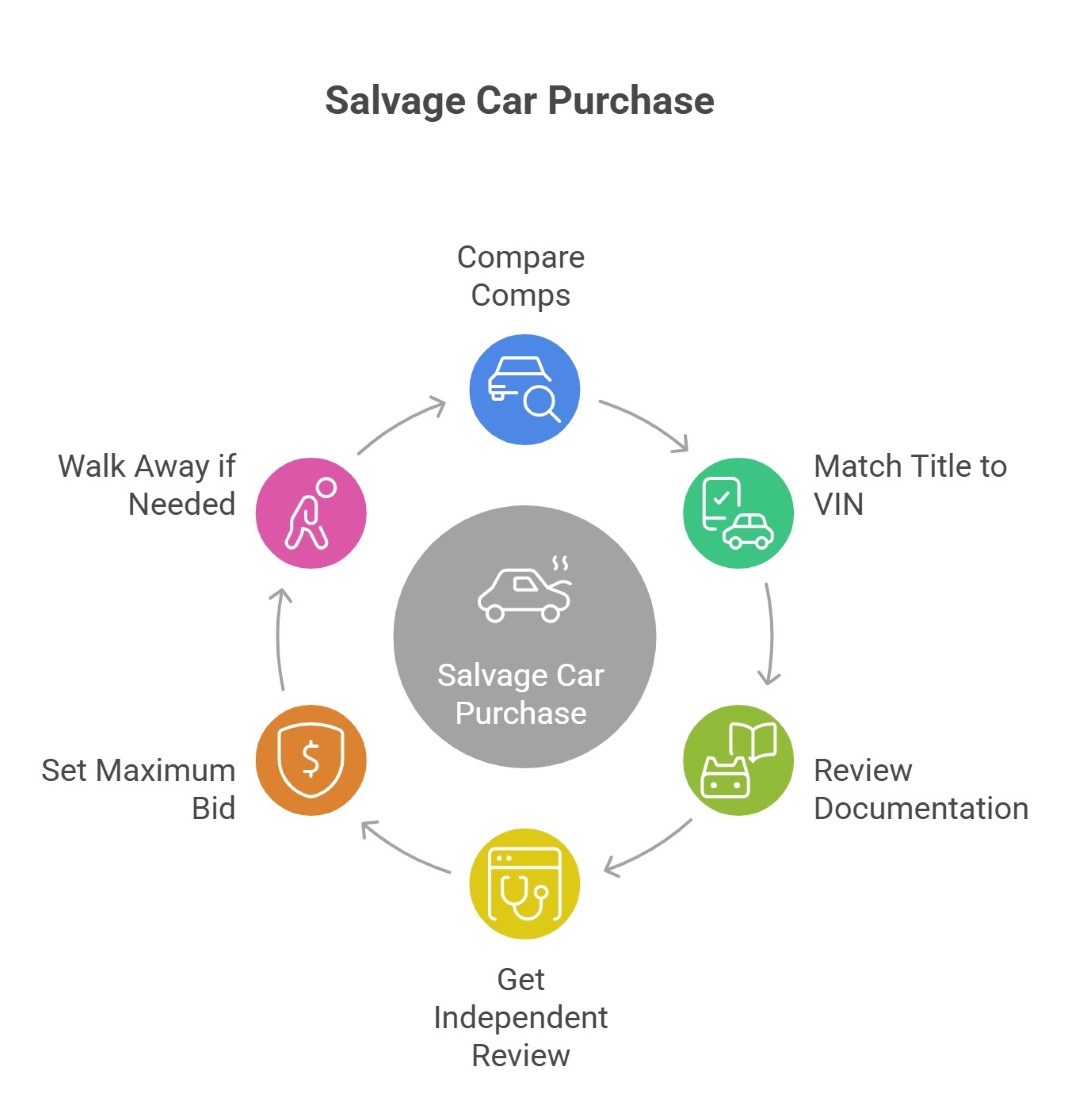
Use this numbered process before you buy:
- Compare clean and branded comps in the same zip code.
- Match the title brand to the VIN.
- Review repair invoices, parts receipts, and pre-loss photos.
- Get an independent review from a car shop.
- Set a maximum bid that protects resale and safety.
- Walk away if the seller will not answer questions.
NMVTIS notes that insurance carriers, auto recyclers, junk yards, and dismantlers report affected vehicle records to reduce fraud and protect consumers.
Key Takeaways
- A salvage title car is discounted because buyers price uncertainty, not just visible loss.
- Rebuilt status improves usability, but the old brand still follows the VIN.
- ACV, retail, trade-in, auction, and scrap value measure different things.
- The best way to determine post-loss value is to start with clean comps and subtract risk.
- State rules control branding, review, and disclosure, so local law matters.
- Records, photos, and professional reviews help buyers make informed decisions.
A branded car is not automatically bad. However, it must be priced honestly. The smartest buyer uses documents, approval results, and market evidence before paying.
FAQ
How Does Mileage Affect Salvage Value Compared to Clean-Title Cars?
Mileage still matters, but less than repair quality. Low miles help only when the salvage title car has valuable records and no hidden structural problems.
Why Do Two Salvage Cars with the Same Year Have Different Values?
Loss type, damage records, repair quality, trim, mileage, location, and buyer demand all influence value. A theft recovery can sell higher than flood or fire history when records are thin.
Can a Detailed Repair History Reduce the Typical Salvage Discount?
Yes. Receipts, photos, parts invoices, and approval proof can reduce the discount because they make the vehicle easier to evaluate and trust at resale or claim time.
Can I Use a Diminished Value Claim on a Salvage Title Car?
It is rarely strong on a branded car because the market has already priced in a large prior-loss discount, and appraisers may discount it heavily later.
Is It Worth Buying a Salvage Title Car Just for Parts?
Yes, when the demand exceeds the purchase and transport cost. It is often smarter when the vehicle has rare trims, a strong drivetrain, hard-to-find body panels, and available storage space.